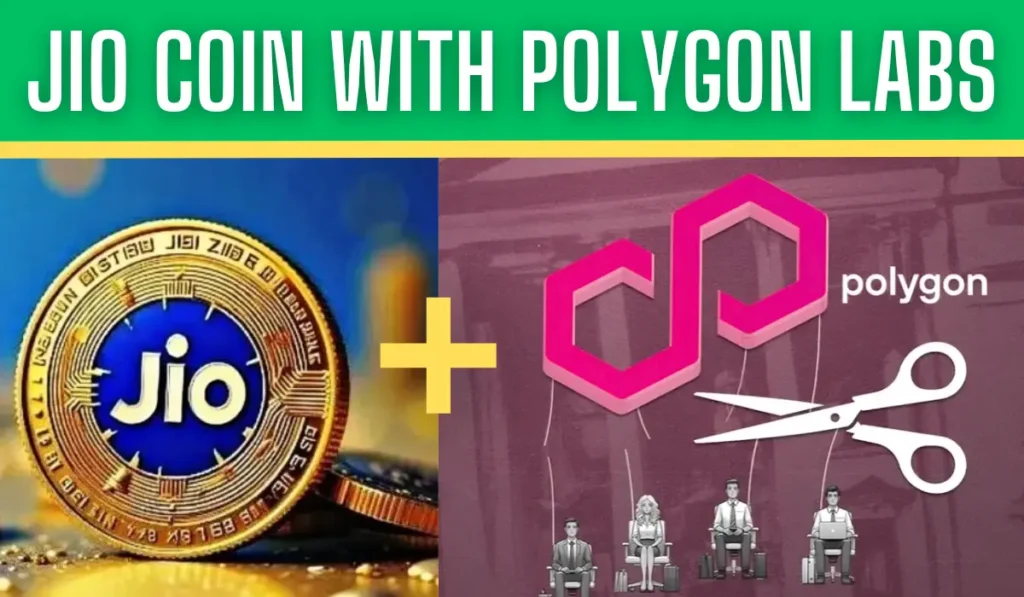
In the rapidly evolving world of digital finance, understanding tokenomics—the economic model that governs a cryptocurrency—and market trends is critical for both investors and users. Among the emerging digital assets in India, JioCoin has garnered considerable attention. Developed by Reliance Jio in collaboration with Polygon Labs, JioCoin is designed to empower millions of users by facilitating low-cost, high-speed digital transactions across a vast ecosystem of services including JioPay, JioMart, JioCinema, and JioSaavn. This article presents a comprehensive analysis of JioCoin’s tokenomics and examines the market trends shaping its future. It is intended to help investors, industry stakeholders, and enthusiasts understand how JioCoin creates value, the factors influencing its market performance, and the strategic implications for integrating it into a diversified portfolio.
What Are Tokenomics?
Tokenomics is the study of the economics and financial incentives that drive cryptocurrency adoption and sustainability. It includes various factors such as token supply, distribution, utility, inflation, and governance mechanisms. Tokenomics plays a crucial role in determining a cryptocurrency’s long-term value, as it influences user behavior, investor sentiment, and market dynamics.
Key aspects of tokenomics include:
- Total Supply and Circulating Supply:
The total number of tokens that will ever exist versus the number currently in circulation. A capped supply can create scarcity, while a continuously expanding supply may dilute value. - Distribution Mechanisms:
How tokens are initially distributed—through ICOs, mining, rewards, or airdrops—affects the token’s decentralization and early investor involvement. - Utility and Use Cases:
The inherent functionality of a token within its ecosystem, such as serving as a medium of exchange, a means of accessing services, or being used for governance. Higher utility typically increases demand. - Inflation and Deflation Mechanisms:
Whether the token supply is inflationary (increasing over time) or deflationary (decreasing or capped) can impact its value retention. - Incentive Structures:
Features like staking rewards, cashback, or fee discounts that encourage users to hold and utilize the token rather than sell it immediately.
Overview of JioCoin and Its Tokenomics
What is JioCoin?
JioCoin is the digital token developed by Reliance Jio, one of India’s largest telecommunication and digital service providers. Initially introduced as part of the JioSphere Browser rewards system, JioCoin has evolved into a multi-utility asset that underpins various digital services. The token is built on Polygon Labs’ Layer 2 blockchain, which provides scalability and efficiency—key factors that drive its functionality in everyday transactions.
Core Elements of JioCoin Tokenomics:
- Total and Circulating Supply:
While details about its maximum supply might evolve, JioCoin is expected to adopt a controlled supply model to preserve scarcity and enhance value over time. A capped or semi-capped supply can help drive demand as adoption increases. - Distribution Model:
JioCoin’s initial distribution has been designed to incentivize adoption across the Reliance Jio ecosystem. Tokens may be awarded as rewards for engaging in digital transactions on platforms like JioPay and JioMart, ensuring a wide and organic distribution among users. This model aims to prevent concentration of wealth and promote a decentralized user base. - Utility and Ecosystem Integration:
Unlike many purely speculative cryptocurrencies, JioCoin is built with a clear utility in mind. It serves as a medium of exchange for everyday transactions, an incentive token for rewards, and a potential asset for participating in future digital financial services. Its integration with a massive user base gives it practical value beyond speculative trading. - Incentive Mechanisms:
The rewards system associated with JioCoin is a vital part of its tokenomics. Users earn tokens for transactions, digital interactions, and loyalty within the Jio ecosystem. This mechanism encourages users to hold onto the token, reducing the circulating supply and potentially driving up the token’s value through increased demand. - Governance and Upgradability:
JioCoin may incorporate governance features that allow token holders to vote on important decisions, such as upgrades to the platform or changes to its economic parameters. This participatory approach ensures that the ecosystem can adapt to market needs and technological advancements over time.
Key Elements of JioCoin Tokenomics
| Aspect | Description | Investor Implication |
|---|---|---|
| Total Supply | Controlled or capped supply to maintain scarcity. | Limited supply can drive up value as demand increases. |
| Distribution | Reward-based and incentives through Reliance Jio ecosystem integration. | Encourages broad, organic adoption and decentralization. |
| Utility | Facilitates digital payments, rewards, and everyday transactions. | High utility fosters sustained demand and practical usage. |
| Incentive Mechanisms | Rewards for user engagement and loyalty initiatives. | Promotes holding and long-term value appreciation. |
| Governance | Participatory decision-making and potential protocol upgradability. | Allows community-driven evolution and adaptability. |
Market Trends Affecting Jio Coin
The market performance of JioCoin is influenced by an interplay of macroeconomic trends, technological innovations, and regulatory developments.
A. Digital Transformation and Cashless Economy
India is undergoing a rapid digital transformation. Government initiatives, such as demonetization and the Unified Payments Interface (UPI), have spurred the adoption of digital payment systems. JioCoin, with its integration into Reliance Jio’s robust digital ecosystem, is well-positioned to benefit from this trend.
- Increased Adoption:
As more consumers and merchants shift to digital payments, the practical utility and demand for JioCoin are likely to rise. - Network Effects:
A growing user base creates a network effect, further incentivizing adoption and driving token value.
B. Technological Advancements
- Scalability Improvements:
The use of Polygon Labs’ Layer 2 solutions significantly enhances JioCoin’s efficiency, enabling faster transactions at lower costs. - Security Enhancements:
Ongoing upgrades in cybersecurity and encryption technology bolster investor confidence. - Smart Contract Integration:
The potential development of smart contract capabilities on JioCoin can open doors to additional DeFi applications and yield opportunities.
C. Regulatory Landscape
- Evolving Policies:
The regulatory environment for cryptocurrencies in India is still evolving. Greater clarity and supportive policies can encourage institutional investment and mainstream adoption. - Compliance Measures:
By complying with stringent KYC/AML requirements, JioCoin can foster trust and reduce the risk of regulatory crackdowns.
D. Market Sentiment and Speculation
- Investor Sentiment:
In addition to its practical use, JioCoin’s price may be influenced by speculative trading and market hype. Positive news, strategic partnerships, or significant ecosystem milestones can trigger bullish trends. - Competitive Landscape:
How JioCoin compares with other digital assets, both globally and regionally, can also impact its market performance. As investors look for high-utility tokens with growth potential, JioCoin stands out for its local relevance.
Key Market Trends Affecting JioCoin
| Trend | Description | Expected Impact on JioCoin |
|---|---|---|
| Digital Transformation | Accelerated shift to digital payments and cashless transactions. | Higher adoption and increased practical usage. |
| Technological Advancements | Improved scalability, security, and potential for smart contract integration. | Enhanced efficiency and broad utility drive long-term growth. |
| Regulatory Clarity | Evolving crypto regulations in India. | Greater investor confidence and mainstream acceptance. |
| Market Sentiment | Influenced by news, partnerships, and competitive positioning. | Potential short-term volatility with long-term upward trends. |
Integrating Tokenomics and Market Trends into Investment Decisions
To harness the full potential of JioCoin, investors should take a holistic approach that combines a deep understanding of its tokenomics with real-time market trends. Here’s how to integrate these insights into your investment strategy:
A. Long-Term Holding Strategy
- Rationale:
Given JioCoin’s strong utility, controlled supply, and integration into Reliance Jio’s ecosystem, it is poised for long-term growth. A long-term holding (HODL) strategy can help smooth out short-term volatility and capture the benefits of ongoing digital transformation. - Implementation:
Invest a lump sum or use dollar-cost averaging (DCA) to gradually build your position, and hold for several years to benefit from network effects and increasing adoption.
B. Diversification
- Rationale:
Diversification is key to balancing risk. While JioCoin offers high-growth potential, combining it with stable assets such as money market instruments, blue-chip cryptocurrencies (Bitcoin, Ethereum), and traditional securities can protect your portfolio against market fluctuations. - Implementation:
Consider an asset allocation strategy that dedicates a portion of your crypto portfolio to JioCoin while balancing it with other lower-risk investments.
C. Active Portfolio Monitoring and Rebalancing
- Rationale:
The dynamic nature of crypto markets demands constant monitoring. Regularly reviewing your portfolio and rebalancing it in response to market changes ensures that your investment strategy remains aligned with your risk tolerance and financial goals. - Implementation:
Use portfolio tracking tools and set review intervals (e.g., quarterly or annually) to analyze performance and make adjustments as needed.
D. Leveraging DeFi Platforms
- Rationale:
The integration of JioCoin in the decentralized finance (DeFi) space could open up additional yield-generating opportunities through staking or lending. - Implementation:
Explore DeFi platforms that support JioCoin for staking, yield farming, or other passive income strategies, ensuring that you diversify your income streams while maintaining exposure to potential capital gains.
Investment Strategies for JioCoin
| Strategy | Approach | Key Benefit |
|---|---|---|
| Long-Term Holding (HODL) | Hold JioCoin for several years, leveraging its ecosystem growth. | Captures long-term value appreciation amid gradual adoption. |
| Dollar-Cost Averaging | Invest fixed amounts at regular intervals regardless of price. | Reduces the impact of volatility by averaging purchase costs. |
| Diversification | Combine JioCoin with other asset classes for a balanced portfolio. | Mitigates risks and stabilizes overall returns. |
| Active Rebalancing | Periodically adjust portfolio allocations based on performance. | Ensures alignment with changing market conditions and risk tolerance. |
| Leveraging DeFi | Use staking, lending, or yield farming on DeFi platforms. | Generates passive income and increases token utility. |
Future Outlook and Trends
Looking ahead, several factors are likely to shape the future of JioCoin and its role in modern investment portfolios:
- Adoption and Ecosystem Expansion:
As Reliance Jio continues to integrate JioCoin into its wide array of digital services, everyday use and overall adoption are expected to rise, driving demand and potentially increasing the token’s value over time. - Regulatory Developments:
Greater regulatory clarity in India will likely boost investor confidence and support the mainstream acceptance of digital assets like JioCoin. - Technological Upgrades:
Ongoing improvements in blockchain scalability and security—especially through advancements in Polygon’s Layer 2 solutions—will enhance JioCoin’s efficiency and reinforce its practical utility. - Market Maturity:
As the crypto market matures, investors will increasingly look for tokens that offer a blend of utility and growth. JioCoin, with its strong real-world applications, is well-positioned to be a favored asset in diversified portfolios. - DeFi and Beyond:
With potential integration into DeFi platforms for staking and yield farming, JioCoin could become a key asset for generating passive income, further supporting its long-term value proposition.
FAQ – Why Include Jio Coin in Your Crypto Portfolio Strategy
Answer: JioCoin provides practical utility through its integration with Reliance Jio’s digital services, fast and low-cost transactions powered by Polygon’s Layer 2 technology, and an attractive rewards system that encourages everyday usage. These attributes set it apart from other traditional cryptocurrencies.
Answer: While Bitcoin and Ethereum offer global liquidity and serve as stores of value or platforms for decentralized applications, JioCoin adds regional strength and practical utility—particularly in India—balancing your portfolio with both growth and stability.
Answer: Long-term holding (HODL), dollar-cost averaging (DCA), and periodic portfolio rebalancing are effective strategies. These approaches help you capture long-term growth while managing risk amid market volatility.
Answer: Yes, if JioCoin integrates with DeFi platforms for staking or yield farming, you could earn passive income by lending or locking up your tokens while still benefiting from potential appreciation.
Answer: Diversifying your investment across various asset classes, using DCA, and regularly reviewing and rebalancing your portfolio can help manage risk. Additionally, only invest funds you can afford to lose given the inherent volatility of cryptocurrency markets.